
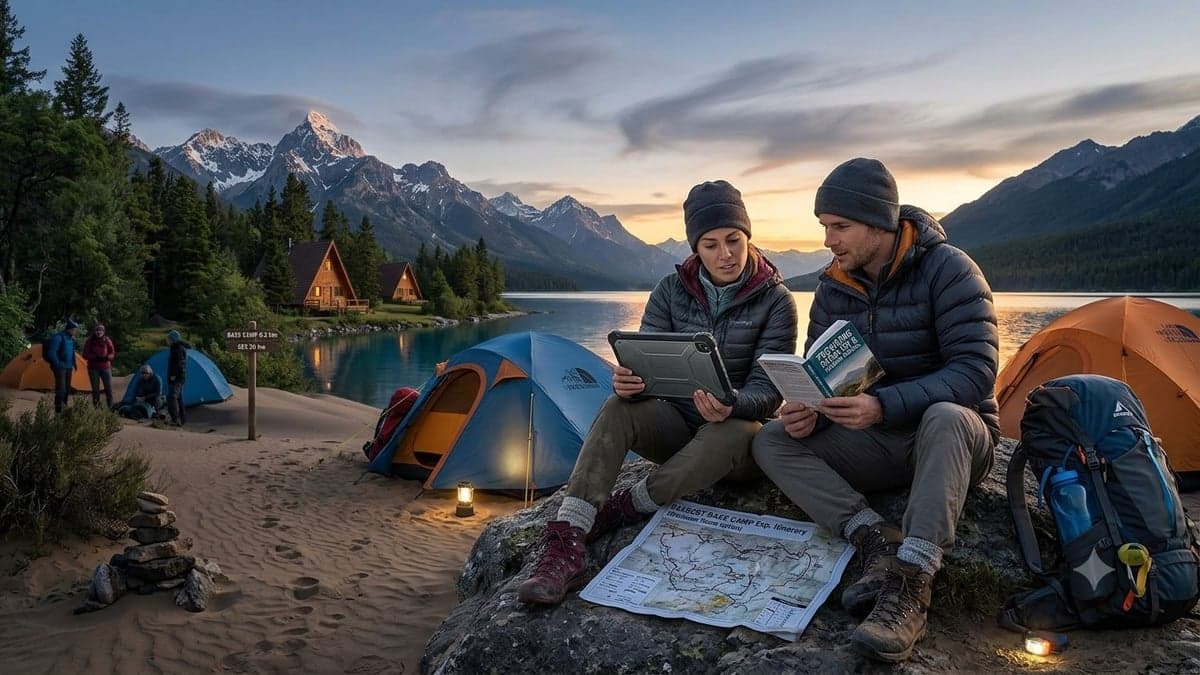
We hear some version of the same question constantly: "I'm not sure I'm fit enough for Everest Base Camp / Kilimanjaro / Landmannalaugar — should I wait until I am?" Almost always, the honest answer is no, book it now and train for it. Here's the reasoning.
Fitness is trainable in months. Time off work isn't.
The physical demand of a trek like Everest Base Camp is real, but it's also predictable — steady walking at altitude, several hours a day, for about two weeks. That's a fitness level most healthy adults can build in three to four months of consistent hiking, stair training, and cardio. What's much harder to manufacture is two free weeks in your calendar. If the time off is booked, the fitness will follow.
Altitude is about pace, not power
New trekkers often worry about strength when the real variable at altitude is patience. Every one of our high-altitude itineraries — Everest Base Camp and Kilimanjaro's Machame Route both — builds in dedicated acclimatization days specifically so pace, not raw fitness, determines your success. Slow and steady genuinely outperforms fast and strong above 4,000 metres.
The people who struggle most on summit night aren't usually the least fit in the group. They're the ones who paced day one like it was a race.
The actual disqualifiers
A few things genuinely should delay a high-altitude trek: an unmanaged heart or lung condition, a very recent injury that hasn't finished healing, or zero multi-day hiking experience at any elevation. Outside of those, "I'm not sure I'm ready" is usually just nerves — which, incidentally, every guide on our team has heard from a client who went on to summit anyway.